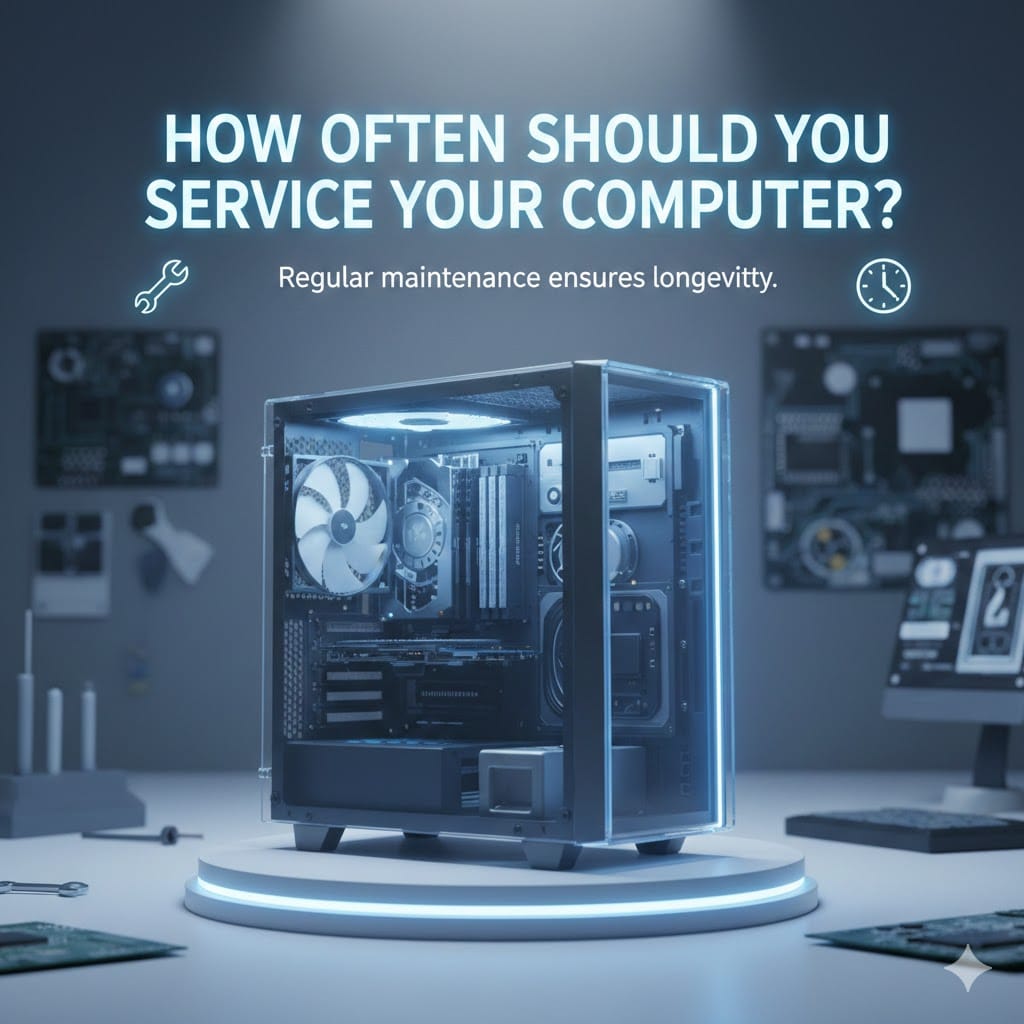
Computers have become essential for business, education, and daily communication. Yet many users ignore regular maintenance until serious problems appear. Understanding the right computer service frequency helps you avoid unexpected breakdowns and expensive repairs. Whether you use your system for office work, gaming, or business operations, routine servicing improves performance and extends lifespan.
If you are unsure about the ideal , this guide will explain everything clearly. We will cover how often you should schedule maintenance, warning signs to watch for, and professional service recommendations. For expert support, visit https://maxipleitservices.com/ or call 8882841303 for fast and reliable assistance.
Why Regular Computer
Regular servicing keeps your computer running efficiently and securely. Dust accumulation, outdated software, and hidden malware can slowly damage performance. Without proper maintenance, small issues eventually become major failures.
Most users underestimate how important proper is for long-term reliability. Just like vehicles require scheduled maintenance, computers also need periodic care. Routine servicing improves speed, protects data, and prevents sudden crashes.
Ignoring maintenance often results in overheating, slow processing, and hardware damage. Preventive service costs far less than replacing critical components.
Hardware Maintenance and Cleaning
Dust buildup inside your CPU or laptop restricts airflow and causes overheating. Overheating damages internal components and shortens system lifespan. Cleaning fans, heat sinks, and vents ensures proper cooling.
Professional technicians check for loose connections and worn-out parts. This inspection reduces the risk of sudden motherboard or power supply failure.
Software Updates and Optimization
Outdated software slows performance and increases security risks. Regular updates improve system stability and compatibility with modern applications. Technicians remove unnecessary programs that consume memory and processing power.
Optimization ensures your system runs smoothly without freezing or lagging during important tasks.
Ideal Computer Frequency for Home Users
For home users, the recommended usually depends on usage intensity. If you use your computer for browsing, streaming, and light office work, servicing every six months is generally sufficient.
However, households with students or remote workers should consider maintenance every three to four months. Frequent usage increases dust accumulation and software clutter.
A consistent helps maintain steady performance and prevents unexpected disruptions during important activities.
Light Usage Systems
Computers used occasionally require servicing twice a year. Basic cleaning and system optimization keep them functioning properly.
Even low-usage systems can develop issues if neglected for long periods. Periodic checks prevent hardware corrosion and storage failures.
Moderate to Heavy Usage Systems
Daily users should follow a stricter schedule. Servicing every three to four months ensures stable performance.
Heavy usage generates more heat and wear on internal components. Regular inspection reduces long-term repair costs significantly.
Recommended Computer for Businesses
Businesses rely heavily on computer systems for operations and communication. A strict is essential to avoid downtime and data loss. Most companies benefit from quarterly maintenance.
Professional IT servicing ensures network stability and data security. Scheduled maintenance minimizes the risk of cyberattacks and system crashes.
Organizations that manage sensitive information should follow a monthly for optimal security and compliance.
Small Business Systems
Small offices typically require servicing every three months. This schedule balances cost and reliability effectively.
Routine maintenance ensures uninterrupted workflow and protects critical business data.
High-Performance Workstations
Graphic designers, video editors, and engineers use resource-intensive applications daily. These systems demand more frequent checks.
Following a monthly prevents overheating and hardware degradation in high-performance setups.
Signs You Need Immediate
Sometimes you cannot wait for your scheduled appointment. Certain warning signs indicate urgent attention is required.
Slow startup, random shutdowns, and unusual noises suggest hardware or software issues. Ignoring these symptoms often leads to severe damage.
Understanding early warning signs helps you act before complete system failure occurs.
Slow Performance and Freezing
If your computer suddenly becomes sluggish, it may have malware or storage issues. Delayed responses and freezing screens indicate deeper system problems.
Immediate servicing restores speed and prevents further deterioration.
Overheating and Loud Fan Noise
Excessive heat signals internal dust buildup or cooling failure. Loud fan noises suggest the system is struggling to regulate temperature.
Professional cleaning resolves overheating and improves internal airflow.
What Happens During Professional
Many customers wonder what technicians actually do during maintenance. A proper appointment involves both hardware and software checks.
Technicians clean internal components thoroughly and inspect for damaged parts. They test memory, storage health, and processor performance.
Regular service ensures every part operates within safe temperature and voltage ranges.
Internal Cleaning and Inspection
Compressed air removes dust from fans and circuit boards. Thermal paste replacement improves heat dissipation.
Loose cables or connectors are secured to prevent electrical issues.
Virus Removal and Security Check
Security scans eliminate malware and spyware. Technicians update antivirus software and firewall settings.
Following the right ensures your data remains protected against cyber threats.
How Extends System Lifespan
A consistent significantly increases your device’s lifespan. Regular maintenance reduces stress on components and prevents overheating damage.
Well-maintained computers can last five to eight years without major repairs. Neglected systems often fail within three to four years.
Preventive care protects your investment and saves money over time.
Cost Savings Through Preventive Maintenance
Replacing a motherboard or hard drive is expensive. Routine servicing costs far less than emergency repairs.
Maintaining proper avoids unexpected financial strain.
Improved Productivity and Reliability
A well-maintained computer operates smoothly without sudden crashes. Reliable performance improves work efficiency and reduces frustration.
Businesses especially benefit from consistent uptime and secure data management.
How to Maintain Your Computer Between Visits
While professional servicing is essential, basic self-care also supports proper . Simple habits improve overall performance and reduce risks.
Keep your device in a clean, dust-free environment. Avoid blocking ventilation areas during use.
Installing genuine software and avoiding suspicious downloads prevents malware infections.
Regular File Cleanup
Delete unnecessary files and uninstall unused applications monthly. This keeps storage optimized and reduces system load.
Disk cleanup tools help maintain smoother performance between service visits.
Backup Important Data
Always maintain regular backups to external drives or cloud storage. Data protection is crucial in case of hardware failure.
Even with proper unexpected issues can occur.
Conclusion: Follow the Right
Understanding the correct ensures your device performs efficiently year after year. Home users typically need servicing every three to six months, while businesses require more frequent maintenance.
Ignoring routine maintenance leads to slow performance, overheating, and costly repairs. Preventive servicing protects your data, improves speed, and extends system lifespan.
If you need professional support, trust the experts at Maxiple IT Services. Visit https://maxipleitservices.com/ or call 8882841303 today to schedule your service appointment.
Keep your systems running smoothly by maintaining the right computer service frequency and investing in regular professional care.